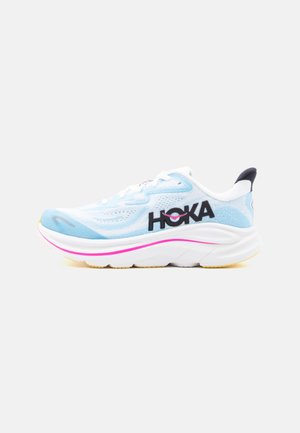
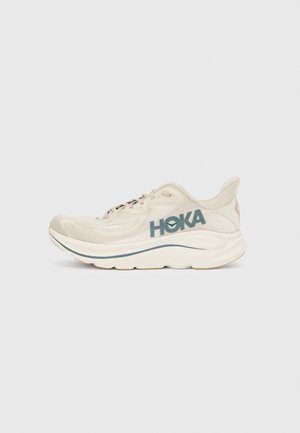
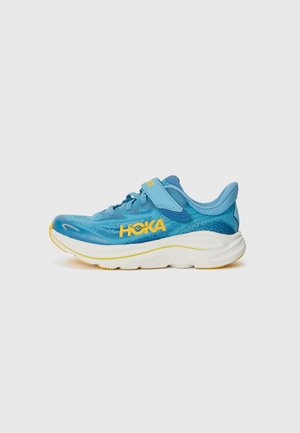
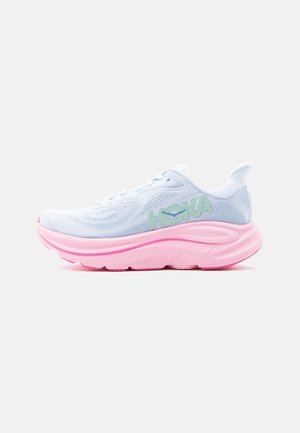
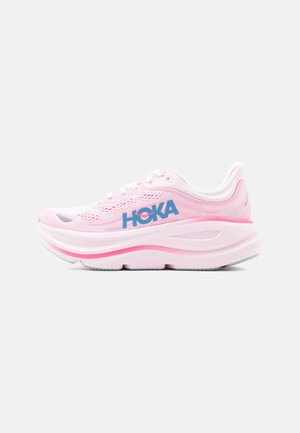
Why...HOKA Arahi
HOKA began in the French Alps back in 2009, and gained favour with ultra-runners quickly, later including a range of road and trail runners sold around the world.
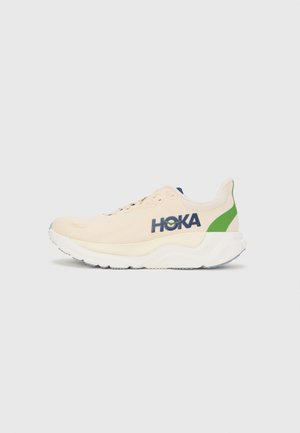
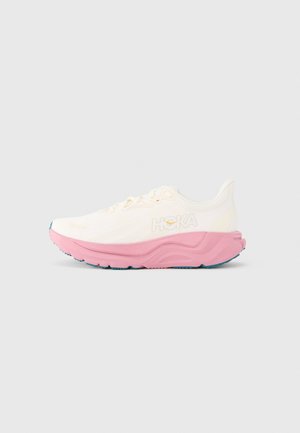
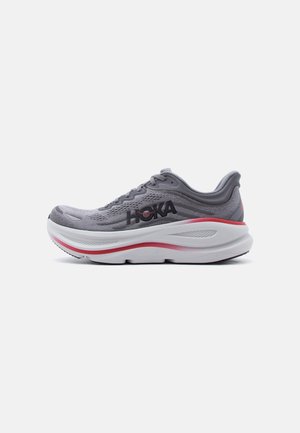
The Arahi started as HOKA’s lighter stability option, using the J-Frame midsole to guide inward roll without a heavy medial post. That approach is designed to give added support for runners who need help with pronation control.
People who need steady support tend to pick the Arahi because of its long-lasting comfort and added support. You can pair them with casual layers and tracksuit bottoms on the days that you’re not hitting the road.
The different Arahi HOKA shoes
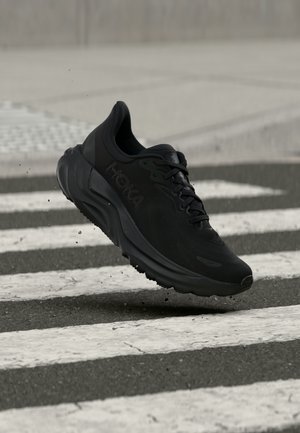
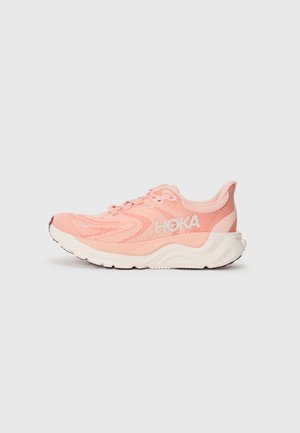
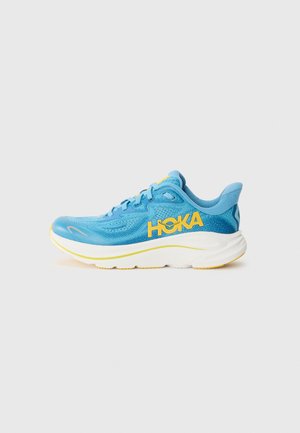
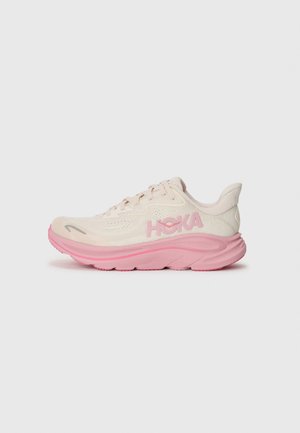
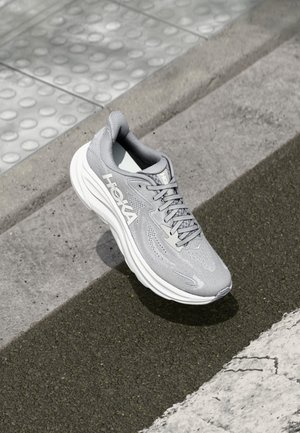
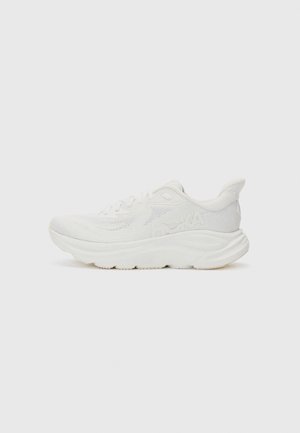
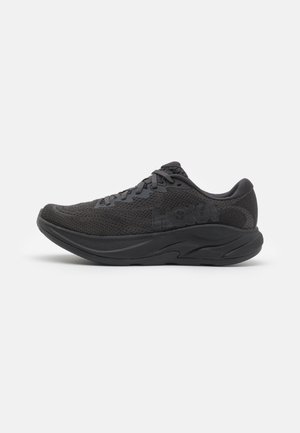
The Arahi HOKA shoes range has been released in progressive updates, with each version gaining a little something on the previous one. The Arahi 7 kept the J-Frame and a firmer feel, while the Arahi 8 shifted to a softer midsole and a wider fit.
The fit has been known to change through iterations, so check the different instructions for each release. If you need low-profile support for training days, pick the firmer Arahi revision, and if you prefer a softer, higher-stack feel, lean towards the later update.
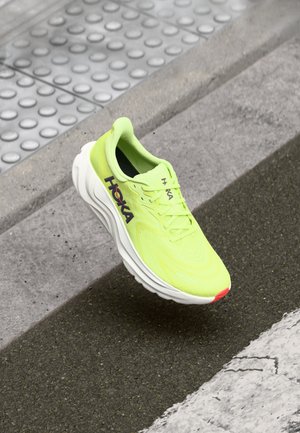
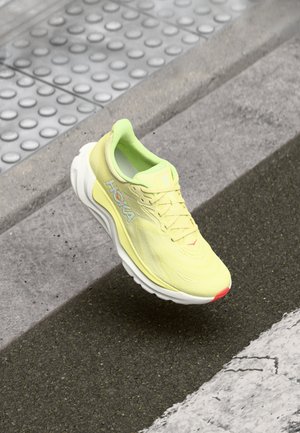
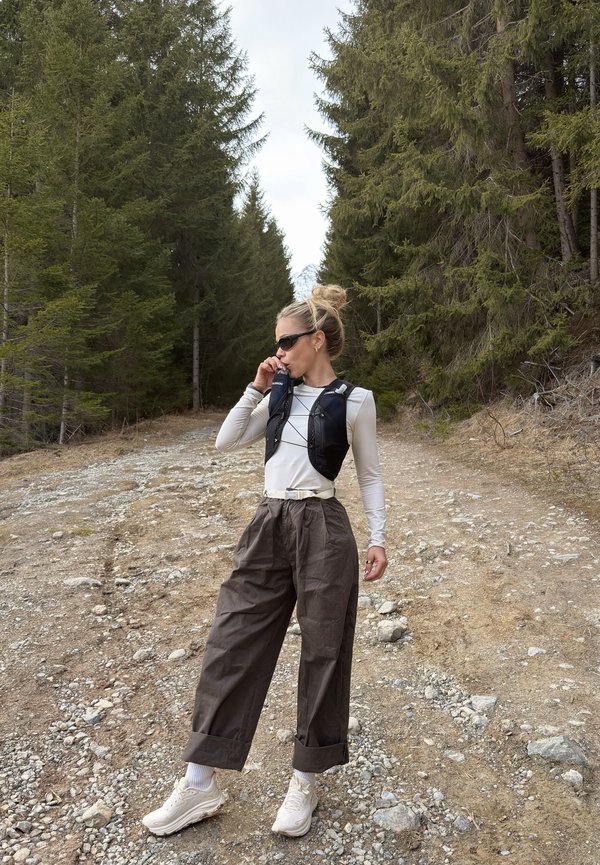
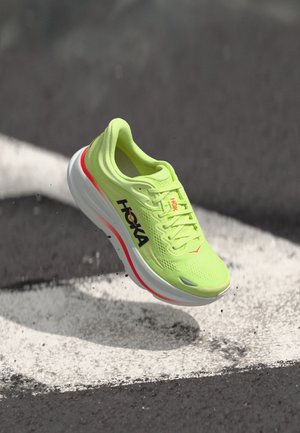
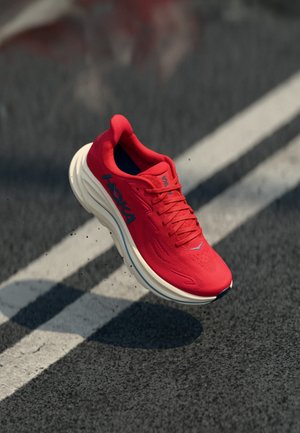
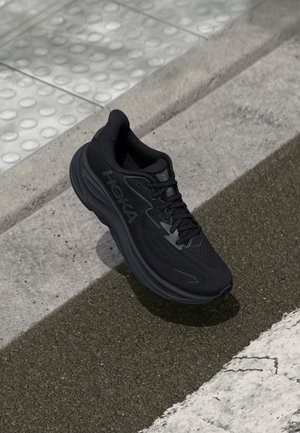
One of the best things about the Arahi is, they’re as stylish as they are functional, so you can rely on them while you get your loops in, but you can also wear them with anything from jeans and a collared shirt to a white maxi-dress and a throw-over.
How and when to wear your pair
Grab a pair of Arahi by HOKA for steady training runs, long walks, and jobs that keep you on your feet. The J-Frame gives extra support that reduces inward roll without any restriction, which many people report as comfortable for long shifts.
For casual city days, match your HOKA Arahi with tapered chinos or easy shorts and a midweight top. On sale cycles, you might pick up the Arahi at reduced prices, which is ideal if you want to use your budget more wisely. Check out the seasonal deals and the men’s tracksuit sale for coordinated looks.