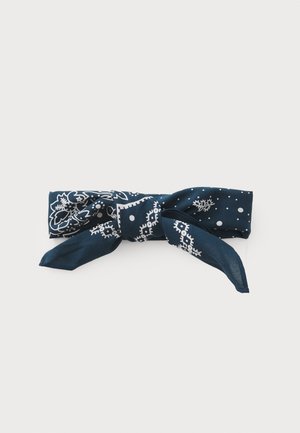
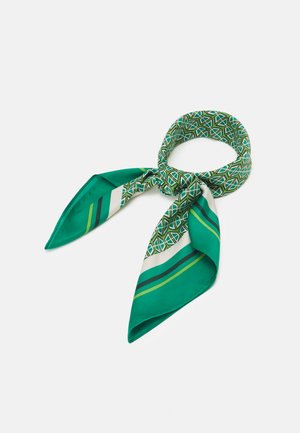
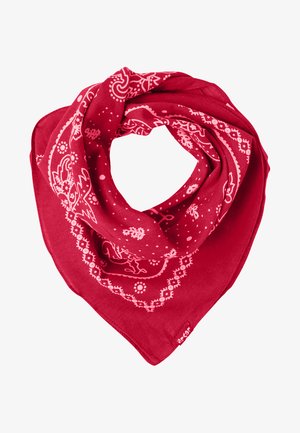
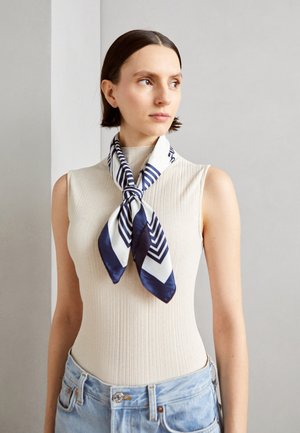
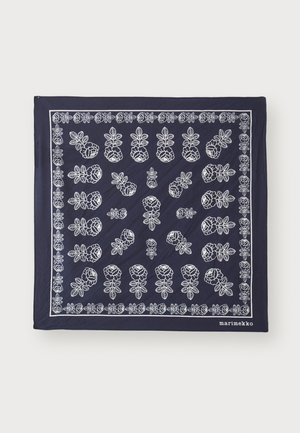
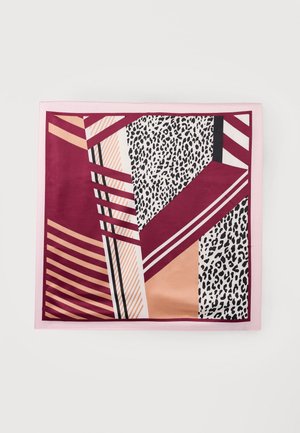
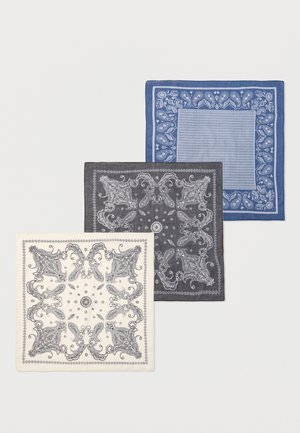
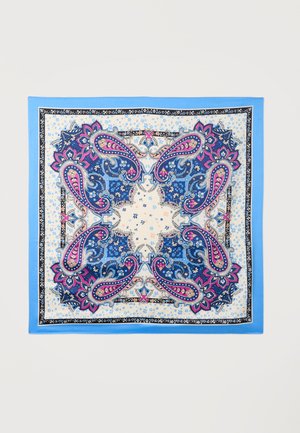
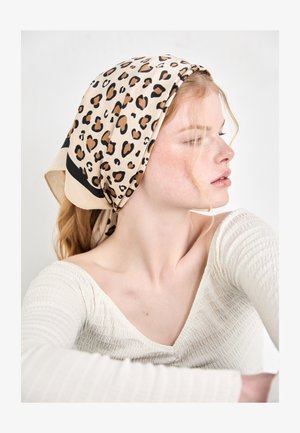
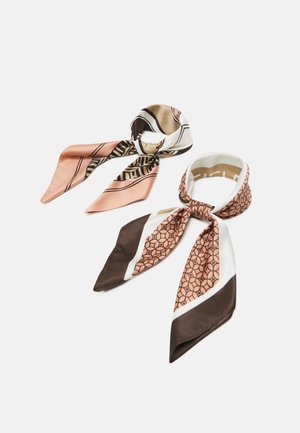
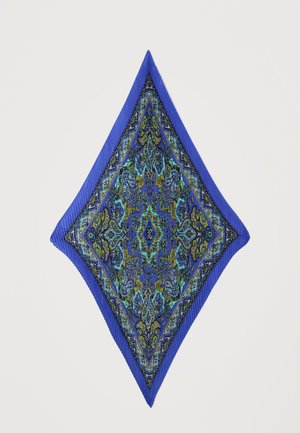
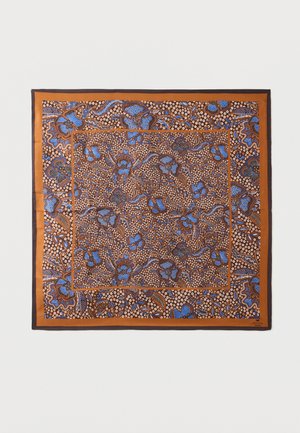
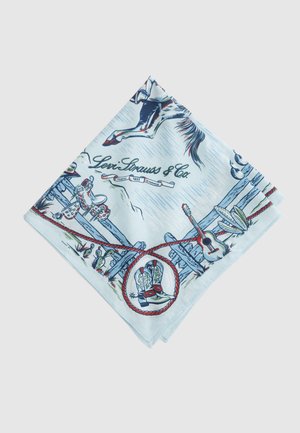
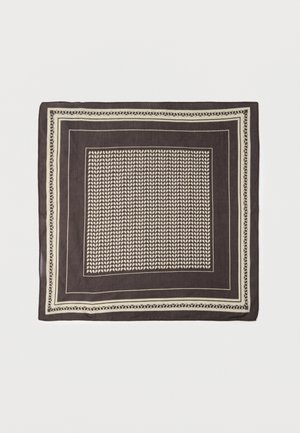
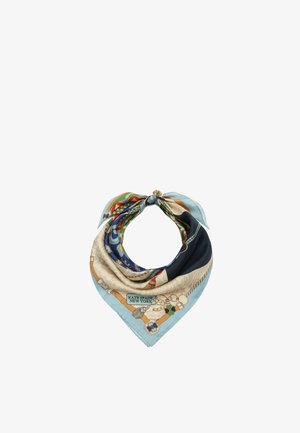
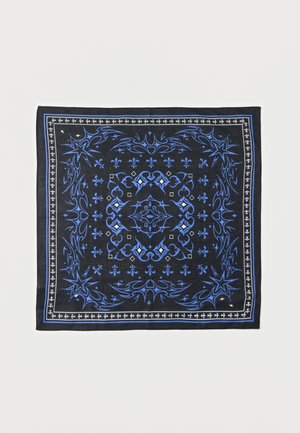
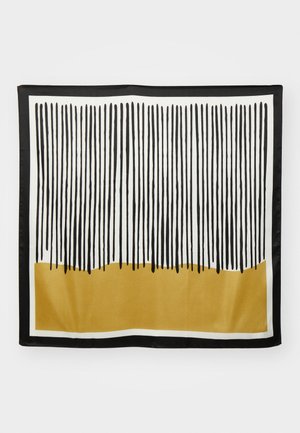
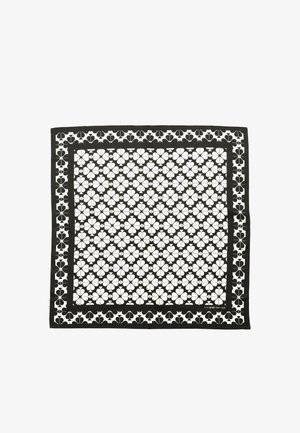
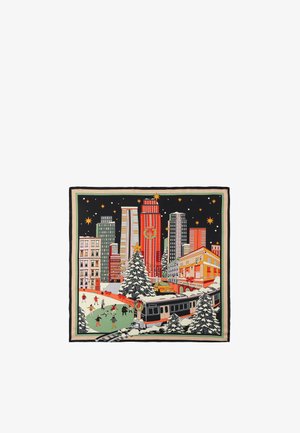
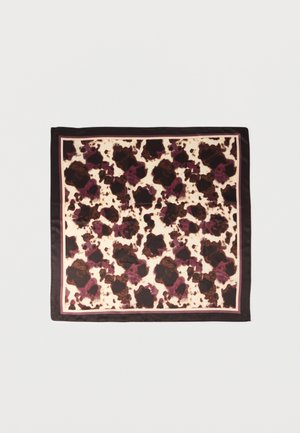
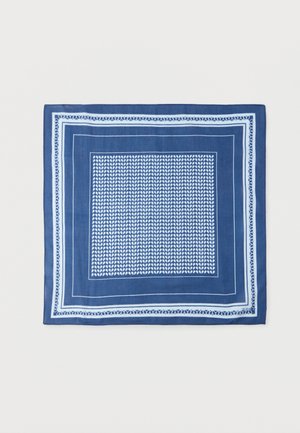
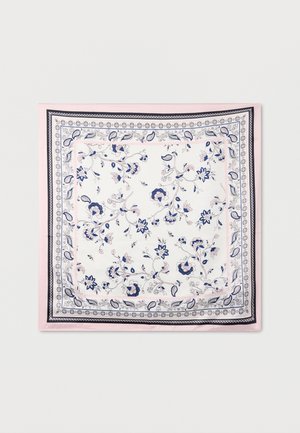
Keep yourself covered with bandanas
Bandanas started in South Asia as printed cloths, later spreading to Europe and the Americas in the 18th and 19th centuries. They were used for protection and as a printed neck or head covering in many cultures.
Today, you’ll find bandanas in a wide range of materials, like cotton, silk, and polyester, often printed with paisley or graphic patterns. If it’s cold and you want something heavier, look for cotton squares that’ll give you more warmth. Silk works best for warm days, and can be worn with just about anything, including low-rise jeans and a crop top.
Headscarf tying methods and outfit matches
You can tie a headscarf as a slim headband across your hairline to keep hair back, or fold it into a triangle and knot it at the throat to cover your neck. There are full-head bandanas, half-head, and beani-style headscarves, and each one can be paired differently.
Bandanas work with everything from casual jeans to dresses to layered tops. Wear them at home, for outdoor adventures or for holidays. If you’re going for a sporty look, try pairing team-specific pieces with football shirts.
You can pick a folded square as a forehead wrap to keep sweat from the eyes when doing things like gardening or walking. If you’re heading out for the day, cotton and polyester blends wash easily and dry relatively quickly, so they’re good for dust and heat while you’re on the move.
Caring, wearing, and other tips
Cold or lukewarm water with a mild detergent works best for cleaning cotton and poly bandanas. Silks should be hand-washed and laid flat to dry. Avoid bleach and high heat to stop colours from running or fabrics shrinking.
If you have sensitive skin, make sure to check the fabric content and printed inks. Browse around other clothing selections and see what works best as a pairing for you.