Dungarees from start to finish
Dungarees started out as tough workwear in the late 1800s that were made for railway and farm labour. The heavy cotton and metal hardware made them last longer, and over the decades, they’ve been adopted as casual and practical pieces to add to your collection.
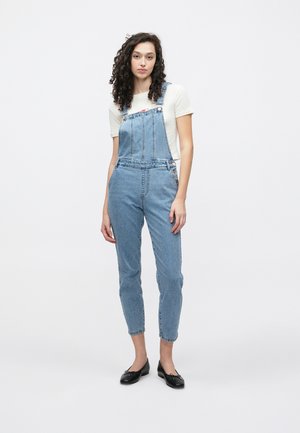
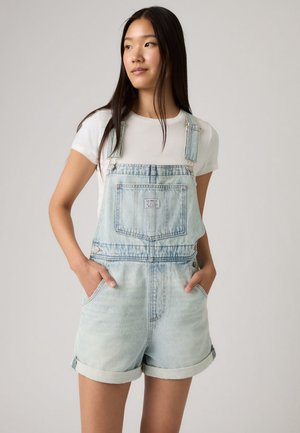
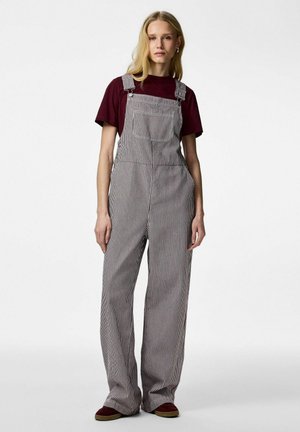
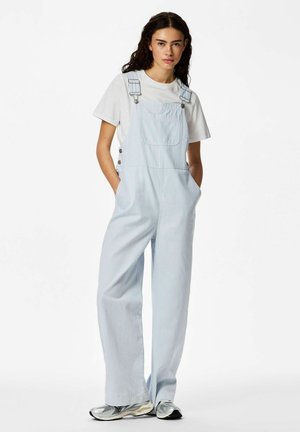
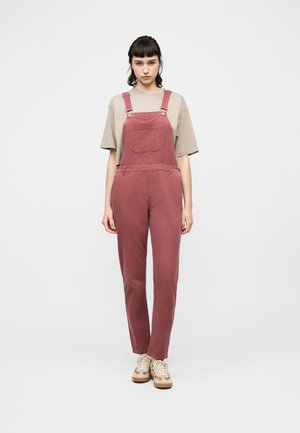
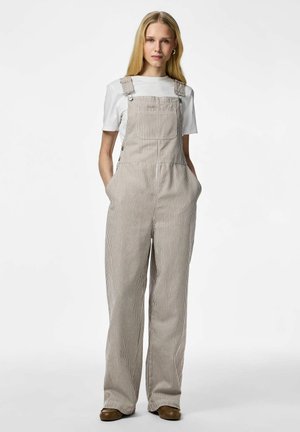
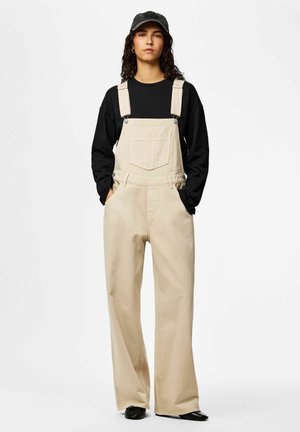
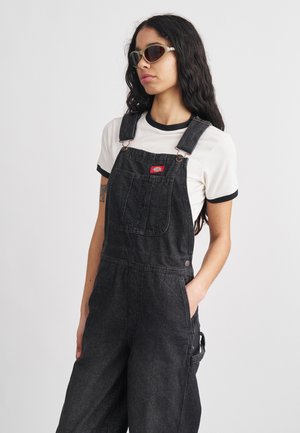
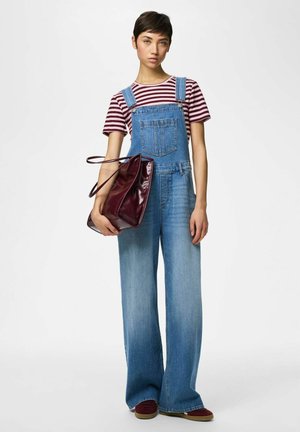
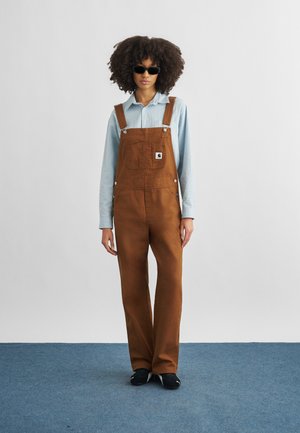
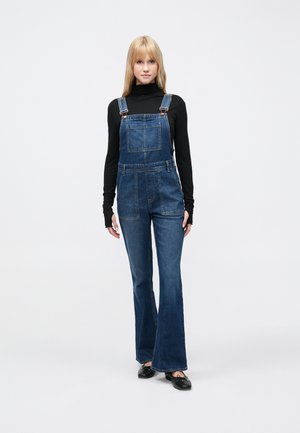
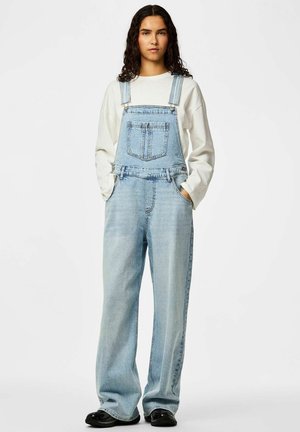
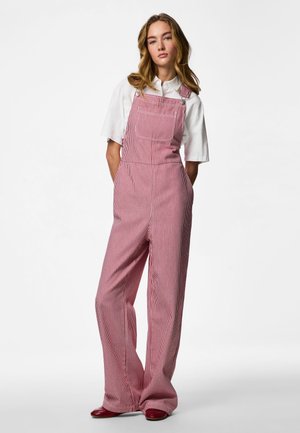
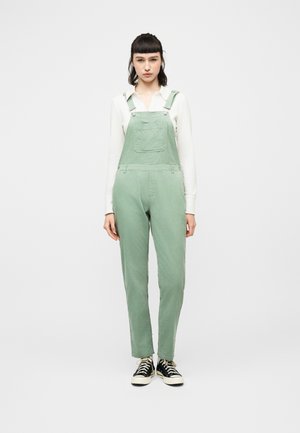
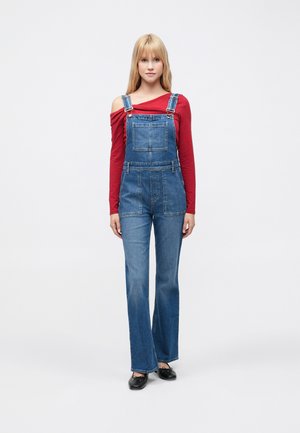
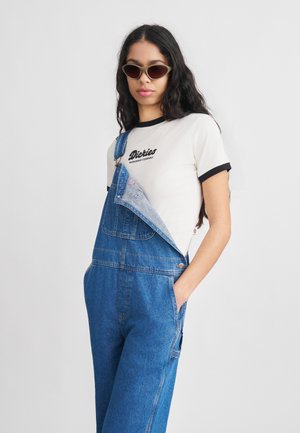
Modern dungarees come in denim, cord, and lighter cotton blends, with a bib front and adjustable straps, but with different thicknesses, fabrics, and pocket layouts. Most of the pairs have a similar feel to men’s linen trousers, which are great for those warmer days.
The reason people love dungarees is that they’re easily adjustable and have plenty of pockets. They’re also made of different materials, so you can get warm ones for the winter and airy ones for the summer.
Dungarees fits, fabrics, and how to choose the right one
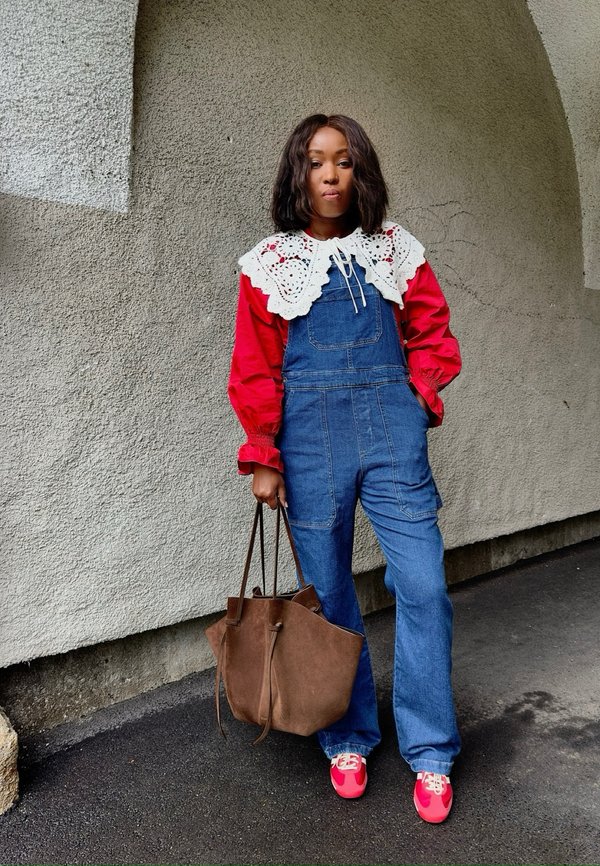
When you choose a pair of dungarees, think about what you want to use them for. Ones made with heavy denim won’t tear as easily, while the corduroy ones have added warmth and more texture. Lighter, cotton blends tend to b better for airflow and warmer months.
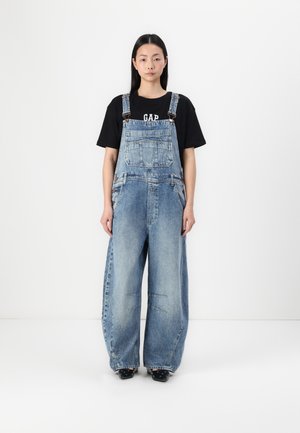
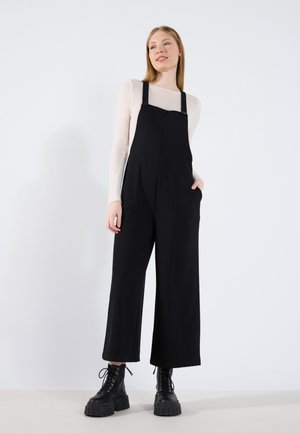
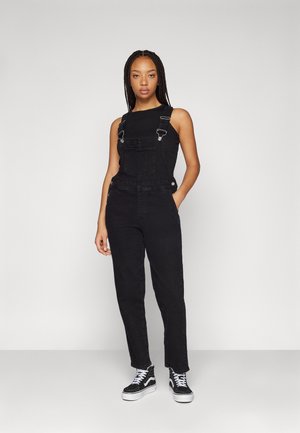
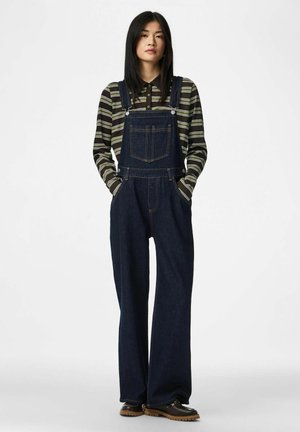
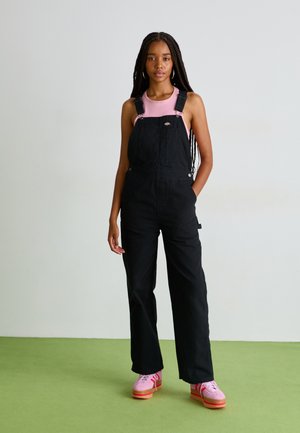
The various fit options range from roomy wide-leg cuts that suit layered jumpers to straight-leg versions that create a cleaner line with simple tees. There are also slim cuts that give a neater silhouette and can work under smarter outerwear. For an edgier look and feel, pair your dungarees with a cropped leather piece like a short biker jacket.
How to wear dungarees across seasons
In warmer months, wear dungarees with a thin tee and sandals, so the fabric can breathe while keeping the outfit simple and unfussy. When the temperature drops, layering a long-sleeve top and a heavier knit helps keep your core warm.
For city use, look for the darker washes and pair them with neat outer layers or a tailored coat to lift your look, or roll the hems to show off your sneakers. If you’re getting chilly, there’s a choice of white boots that’ll go with just about any pair of dungarees.